Life Happens in an Elevator in an Elevator in an Elevator

- Home
- About Us
- Products/Services
By Industry
Service & Modernisation
- Architects & Designers
- By Industry
- Blogs
- Contact Us
Lift Price in India: Complete Cost Guide for Residential, Commercial & Industrial Projects (2026)
Elevators are no longer considered optional infrastructure. In modern residential buildings, commercial complexes, hospitals, and industrial facilities, lifts are essential for accessibility, efficiency, and operational continuity.
One of the most frequently asked questions by builders, architects, developers, and homeowners is:
What is the lift price in India?
The answer depends on multiple technical and structural factors. Lift pricing is not standardized because every project has unique requirements. In this guide, we explain the key elements that influence elevator cost and how to evaluate pricing correctly before deciding, along with what to look for in a reliable elevator manufacturer.
Understanding Lift Price in India
India’s urban population and vehicle ownership continue to rise every year. Cities like Delhi, Mumbai, Bengaluru, Gurgaon, Pune, and Hyderabad face severe parking shortages due to limited land availability.
Automobile elevators offer a modern solution to these challenges by optimising vertical parking infrastructure.
Key Factors That Affect Lift Price in India
1. Capacity and Load Requirement
Capacity plays a major role in pricing. A 4-passenger residential lift will cost significantly less than a 13-passenger commercial elevator. Similarly, a 2-ton freight elevator requires reinforced structures and heavy-duty components.
Higher load capacity means:
- Stronger guide rails
- Robust motor systems
- Reinforced cabins
- Advanced safety mechanisms
EASA designs load-specific elevators using industrial-grade fabrication standards, ensuring long-term durability in both residential and industrial environments.
2. Number of Floors (Stops)
The more floors a lift serves, the higher the cost. Additional stops require:
- Extra wiring and control systems
- Longer guide rails
- Additional landing doors
- Increased installation time
A ground-plus-two residential building differs significantly from a high-rise commercial project in technical complexity. Accurate project planning helps optimize both cost and performance.
3. Travel Height and Speed
High-rise buildings require elevators with higher speeds and advanced traction systems. Speed optimization, smooth acceleration, and braking systems influence overall pricing.
For residential villas, moderate speeds are sufficient. For commercial buildings with high footfall, higher-speed systems ensure smooth traffic flow.
EASA evaluates usage patterns before recommending speed configurations, ensuring operational efficiency without unnecessary cost escalation.
4. Machine Room vs Machine Room-Less (MRL)
Machine Room-Less elevators save space and are increasingly preferred in residential and mid-rise buildings. However, pricing varies depending on configuration and load requirements.
The right selection depends on:
- Building design
- Shaft availability
- Architectural planning
- Maintenance accessibility
A technically guided recommendation ensures better long-term performance.
5. Cabin Design and Finishes
Customization significantly affects the lift price.
Cabin finish options include:
- Stainless steel cabins
- Designer laminates
- Glass panoramic cabins
- Custom lighting
- Premium control panels
While basic finishes reduce cost, customized interiors enhance building aesthetics and property value.
EASA offers customizable cabin designs while maintaining structural safety and engineering standards.
6. Safety Features
Safety systems should never be compromised to reduce cost. Essential safety components include:
- Automatic Rescue Device (ARD)
- Overload protection
- Door safety sensors
- Emergency alarm and communication system
- Smooth start-stop technology
Advanced safety compliance may increase initial investment but significantly improves long-term reliability.
EASA elevators are designed with integrated safety systems aligned with regulatory standards and real-world operational conditions.
7. Installation Site Conditions
Site readiness plays a crucial role in determining final cost.
Factors include:
- Shaft accuracy
- Pit depth
- Overhead clearance
- Civil alignment
- Power supply requirements
Improper civil preparation can increase installation costs later. A professional site inspection before manufacturing helps avoid unexpected expenses.
EASA conducts detailed technical evaluations before finalizing specifications to ensure smooth installation.
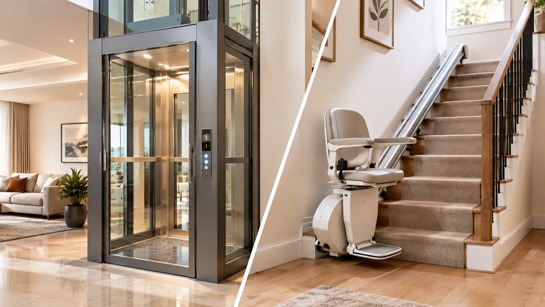
Home Lift Price in India
Home elevators are increasingly common in villas, duplex residences, and premium independent houses.
Home lift pricing depends on:
- Number of floors
- Available shaft space
- Cabin customization
- Automation features
- Door configuration
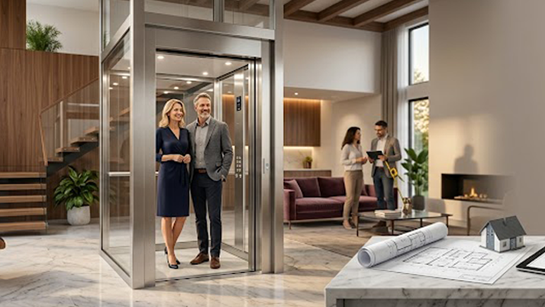
EASA Home Elevators are engineered for compact spaces, smooth performance, and aesthetic integration into modern residences. The focus remains on comfort, safety, and energy efficiency.
Passenger Lift Price in Commercial Buildings
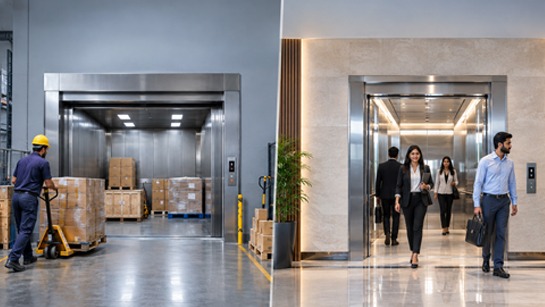
Commercial lifts are designed for high-traffic environments such as apartment complexes, offices, retail spaces, and mixed-use developments.
Key pricing factors include:
- Passenger capacity
- Speed requirements
- Daily usage frequency
- Compliance with safety regulations
- Durability standards
EASA Passenger Elevators are designed for consistent performance under continuous usage, making them suitable for residential towers and commercial developments alike.
Freight Lift Price in India
Freight elevators are built for industrial environments including:
- Warehouses
- Manufacturing facilities
- Logistics hubs
- Storage units
Freight lift cost depends on:
- Load capacity (1 ton to 5 tons or more)
- Platform size
- Structural reinforcement
- Frequency of operation
- Type of goods transported
EASA Freight Elevators are fabricated using heavy-duty structural components, ensuring reliable operation in demanding industrial conditions.
Automobile Lift Price in India
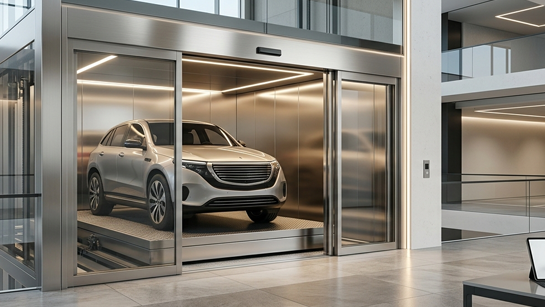
With rising urban density and limited parking space, automobile elevators are becoming essential in modern infrastructure.
These lifts are used in:
- High-rise residential projects
- Luxury villas
- Commercial complexes
- Car showrooms
- Parking structures
Automobile lift pricing depends on:
- Vehicle load capacity
- Platform dimensions
- Automation level
- Safety locking systems
- Structural engineering requirements
EASA Automobile Elevators are engineered with precision load-bearing platforms and advanced safety systems, making them suitable for modern parking challenges.
Hidden Costs Buyers Often Overlook
Many buyers focus only on base lift price and ignore additional expenses such as:
- Civil modifications
- Electrical upgrades
- Government approvals
- Annual Maintenance Contracts
- Spare part replacement
Choosing a lift based solely on lower pricing may result in higher long-term maintenance costs.
EASA emphasizes transparent technical discussions before finalization, helping clients understand complete lifecycle costs rather than just initial pricing.
Why Manufacturer Selection Matters More Than Price
An elevator is a long-term infrastructure investment. The manufacturer you choose determines:
- Structural safety
- Equipment lifespan
- Availability of spare parts
- Quality of installation
- After-sales service reliability
With over three decades of engineering experience, EASA Elevators combines in-house manufacturing capability with customized design solutions. This ensures performance reliability across residential, commercial, hospital, and industrial projects.
Conclusion
Lift price in India varies depending on capacity, customization, technology, and installation conditions. There is no universal price because every building has unique structural and operational requirements.
Rather than focusing only on cost, decision-makers should evaluate:
- Technical specifications
- Safety compliance
- Durability
- Long-term service support
- Manufacturer credibility
A well-engineered elevator is not merely an expense. It is a long-term investment in building efficiency, accessibility, and operational reliability.
For accurate lift pricing and technical consultation tailored to your project, a professional site assessment is always recommended.
EASA Elevators provides detailed evaluations and customized solutions designed specifically for Indian residential, commercial, and industrial environments.